
How does the brain-computer interface smart ward empower patients with severe limb disabilities to regain control over their lives?

Recently, the internationally authoritative journal in the field of rehabilitation engineering, IEEE Transactions on Neural Systems and Rehabilitation Engineering, published the technological achievements of wearable multimodal Brain-Computer Interface (BCI), creating a comprehensive solution for smart wards featuring BCI, and opening a new chapter of intelligence and humanization for rehabilitation medicine.
This solution utilizes the Brain-Computer Interface-Rehabilitation Electric Bed (BCI-RLRF306) as the core hardware carrier and the multimodal brain-computer interface system as the intelligent hub, creating an intelligent rehabilitation and nursing scenario that features no physical manipulation, full device integration, and high safety and precision. Patients can independently control the ward environment and nursing equipment through minor head movements and blinking, truly restoring their autonomy and opening a new chapter of intelligence and humanity in rehabilitation medicine.
Brain-Computer Interface Smart Disease Bed Directly Addresses Clinical Pain Points
In the rehabilitation medical scenario, patients with severe limb motor dysfunction such as stroke, spinal cord injury, and amyotrophic lateral sclerosis (ALS) always face insurmountable interaction barriers: they cannot use traditional human-computer interaction devices such as joysticks and touch screens normally, and require the assistance of medical staff and family members in daily life. Existing EEG and eye-tracking assistive systems have technical bottlenecks such as expensive equipment, cumbersome wearing, limited by lighting environment, and prone to false triggering due to involuntary blinking, making it difficult to meet the core needs of patients for low cost, high robustness, and all-weather autonomous control.
At the same time, the traditional nursing model in wards still faces issues such as poor equipment interoperability and concentrated caregiving pressure. Medical staff need to devote a lot of energy to basic tasks like bed adjustments and environmental control, making it difficult to achieve refined and personalized rehabilitation care. The emergence of the Brain-Computer Interface (BCI) smart ward for rehabilitation precisely targets these clinical pain points, deeply integrating cutting-edge BCI technology with the rehabilitation ward setting. This fundamentally breaks the operational constraints brought by physical barriers, allowing patients to regain control over their lives.
Brain-Computer Interface Smart Hospital Bed Hardcore Technology Architecture
The core competitiveness of the Rehabilitation Brain-Computer Interface Smart Ward lies in the establishment of a full-process, body-free operation system. This system is centered around a multimodal brain-computer interface system as the intelligent hub, with the brain-computer interface-electric hospital bed BCI-RLRF306 as the core hardware, and multi-level interactive interfaces as the operational entry points. It achieves seamless linkage from signal acquisition, algorithm decoding, to device execution, truly enabling patients to "control what they think."
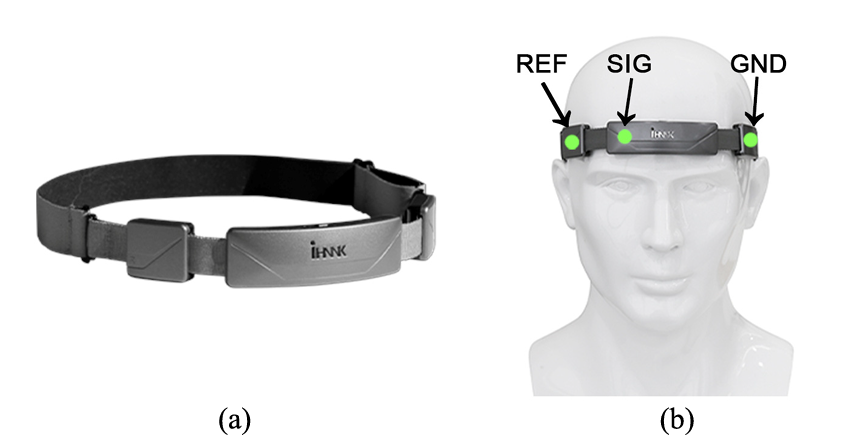
Wireless wearable headset
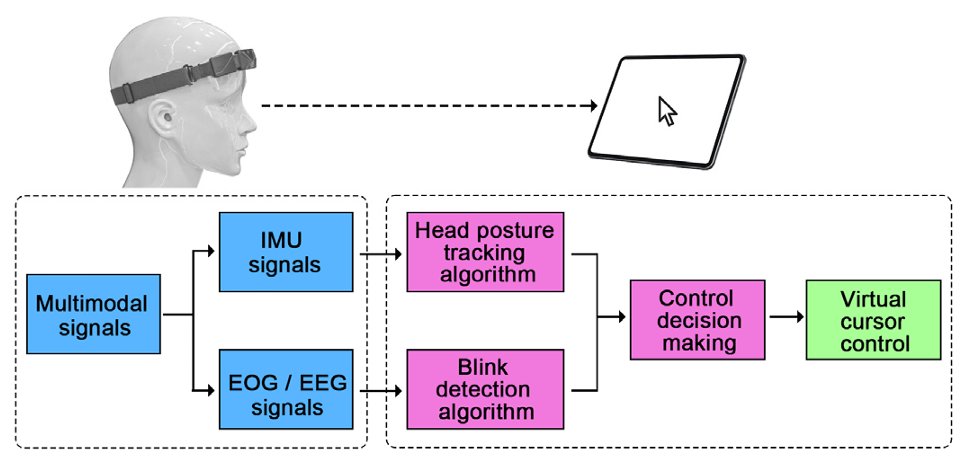
Overall system working framework
System configuration Wireless wearable brain-computer interface headband,integratingdry electrodesand a 9-axis inertial measurement unit (IMU),capable of synchronously and non-invasively collecting patients' electrooculogram (EOG),electroencephalogram (EEG),and head posture signals. The headband is easy and convenient to wear,requiring no complex adjustments,and is suitable for patients' daily wear needs;the collected multimodal signals are transmitted in real-time via Bluetooth to the accompanying tablet computer,forming a delay-free linkage with all smart devices in the ward,laying a solid foundation for subsequent precise decoding and command execution.
Brain-Computer Interface Smart Hospital Bed Hard Core Algorithm Decoding
To address the challenges of accuracy and false triggering in brain-computer interaction, the research team has developed multiple proprietary core algorithms and established dual technical safeguards to ensure more precise and safer operations:
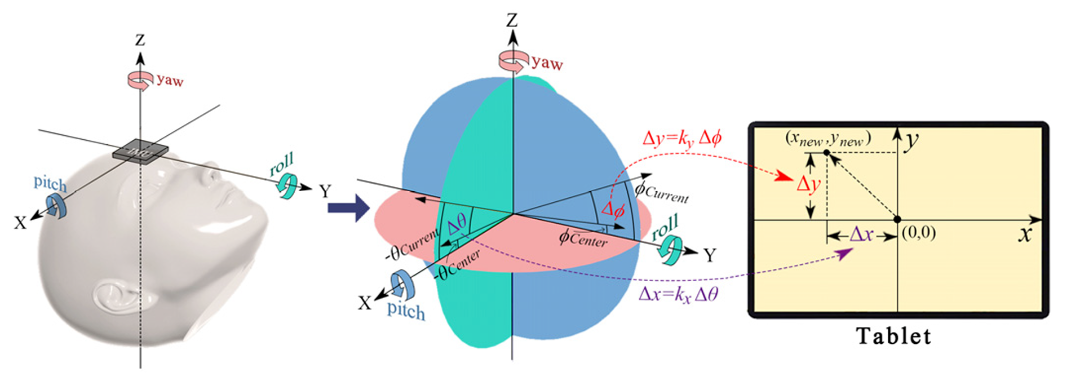
Principle of head pose and cursor position conversion
Head pose tracking algorithm:Based on the principle of geometric mapping, the roll and pitch angle data collected by the headband are accurately converted into the horizontal and vertical displacement of the screen cursor. Coupled with the anti-jitter algorithm to filter out involuntary micro-shaking of the head, patients can smoothly control the cursor with just a slight movement of their head, enabling precise adjustment of functions such as raising the back, lifting the legs, and turning over in the hospital bed;
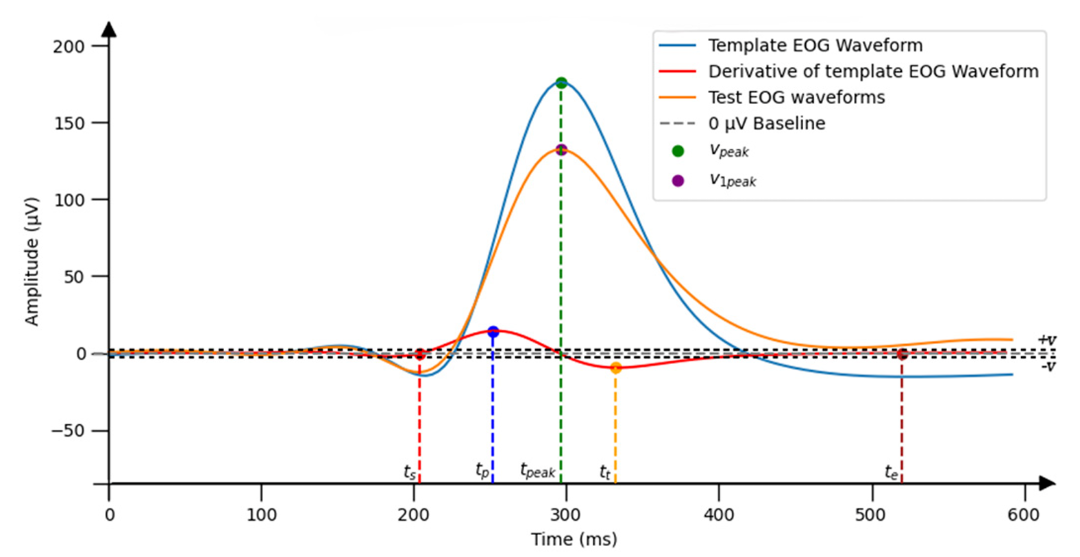
Blink detection algorithm data processing flow
Intelligent blink detection algorithm:By combining waveform similarity and energy threshold, and comparing the Pearson correlation coefficient and energy ratio between real-time electro-oculogram signals and calibration templates, intentional blinking actions can be accurately identified. At the same time, a attention detection mechanism based on EEG spectral ratio is introduced, which activates control functions only when the patient is in a focused state, effectively distinguishing between voluntary and command-induced blinking, achieving zero false triggering in idle state, and completely avoiding the risk of non-command operations from a technical perspective.
Brain-Computer Interface Smart Hospital Bed Excellent Clinical Performance
Experimental data and clinical tests have fully verified the core strength of the human rehabilitation brain-computer interface smart ward. In simulated intelligent ward control tasks, the system demonstrates core advantages that far surpass existing research results in electro-oculogram or hybrid brain-computer interfaces:
-
High Precision Control: The overall average control accuracy rate is as high as 97.0%, and the information transmission rate reaches 97.6 bits/min, ensuring that every operation instruction from the patient can be executed accurately and without delay;
-
Low physical and mental workload: According to NASA-TLX workload assessment, patients' physical, mental, and emotional workload during operation remains at a low level across multiple dimensions. There is no significant fatigue sensation after prolonged use, making it suitable for patients with severe motor impairments who require high-frequency daily use.
-
High robustness adaptability: The system is not affected by lighting conditions, the headband is easy to wear, and no professional adjustment is required. It can meet the patient's all-weather, multi-scenario independent control needs, truly fitting daily rehabilitation care scenarios.
Brain-Computer Interface Smart Hospital Bed Full Device Smart Linkage
As the core hardware carrier of the brain-computer interface smart ward for human rehabilitation, the Brain-Computer Interface - Electric Hospital Bed BCI-RLRF306 is a high-end intelligent rehabilitation nursing terminal that deeply integrates brain-computer interface technology. Its design takes into account functionality, safety, and scene adaptability, making it an important support for patients to achieve autonomy in their lives:
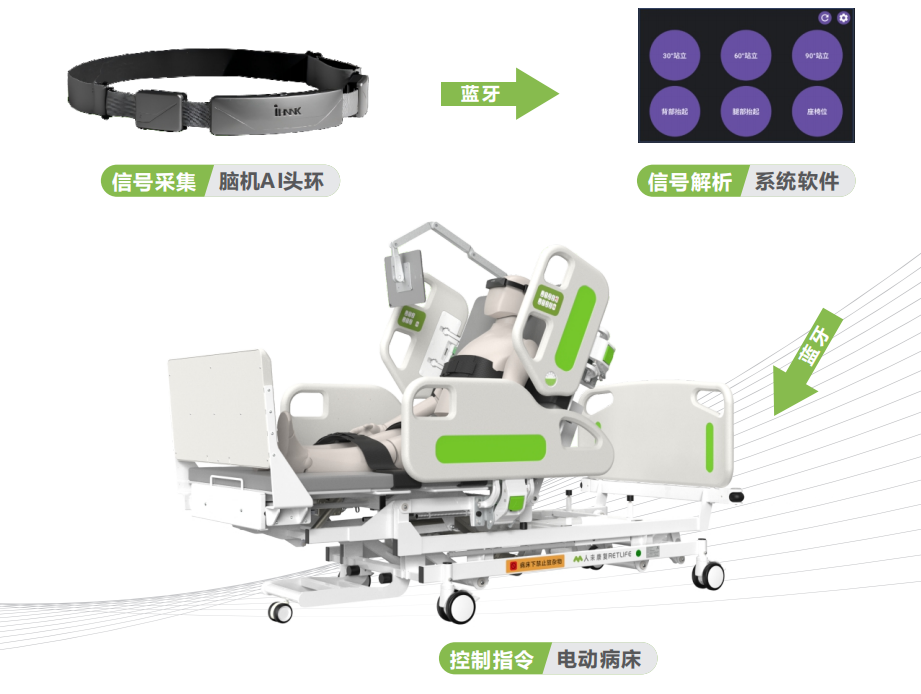
Precise Adjustment for All Postures: It supports adjustments for various postures such as back lifting, leg raising, lying flat, and standing at 30°, 60°, and 90°, as well as seat adjustments. It caters to different scenarios such as patient rehabilitation training, daily rest, and meals. Additionally, the posture adjustment adopts progressive speed control to align with the patient's physical tolerance and prevent discomfort caused by rapid movements.
Seamless Brain-Computer Interface System: Equipped with a dedicated communication module, it can achieve real-time linkage with the brain-computer interface headband and tablet computer, ensuring no delay in command response and maintaining the fluency and continuity of patient operations;
Medical-grade safety design: In addition to the false trigger protection of the brain-computer interface system, the hospital bed is equipped with multiple hardware safety protection mechanisms to prevent non-command malfunctions, comprehensively strengthening the defense line for medical use.
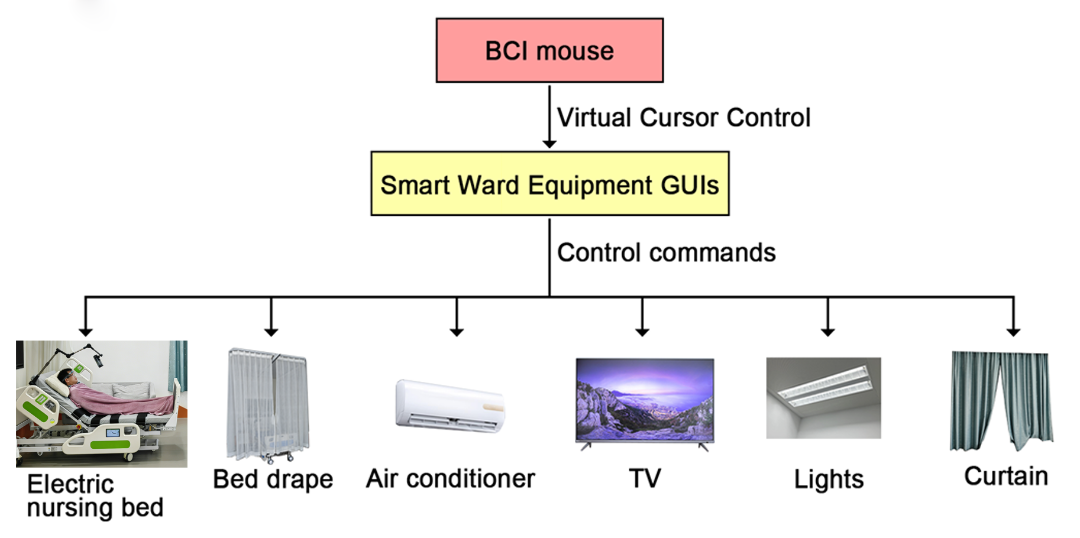
Overall architecture of smart wards
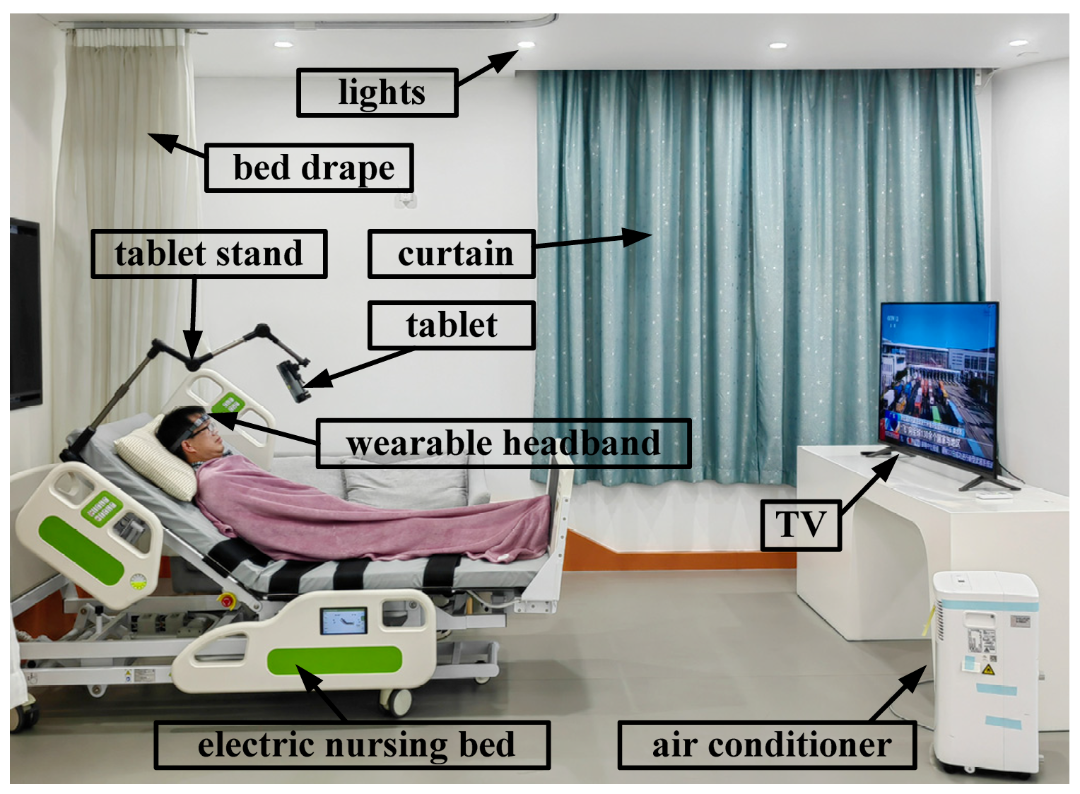
Realistic view of smart ward
And Brain-Computer Interface (BCI) system, as the core intelligent hub of the entire smart ward, breaks the independent operation barriers of traditional ward equipment and enables seamless linkage with various ward equipment such as electric hospital beds, lights, curtains, air conditioning, and televisions. Patients can continuously adjust the posture of the hospital bed, as well as switch on/off and adjust the parameters of ward environmental equipment through a set of BCI control system, truly achieving "one person, one control, full domain control" and building an integrated intelligent rehabilitation nursing scenario.
Brain-Computer Interface Smart Hospital Bed Full-Cycle Rehabilitation Care
The Brain-Computer Interface (BCI) smart ward for human rehabilitation is not a single technical solution, but an integrated rehabilitation nursing solution that can be flexibly adapted to multiple scenarios. It can be quickly deployed in various settings, including hospital rehabilitation departments, intensive care units, elderly care institutions, and home care environments.
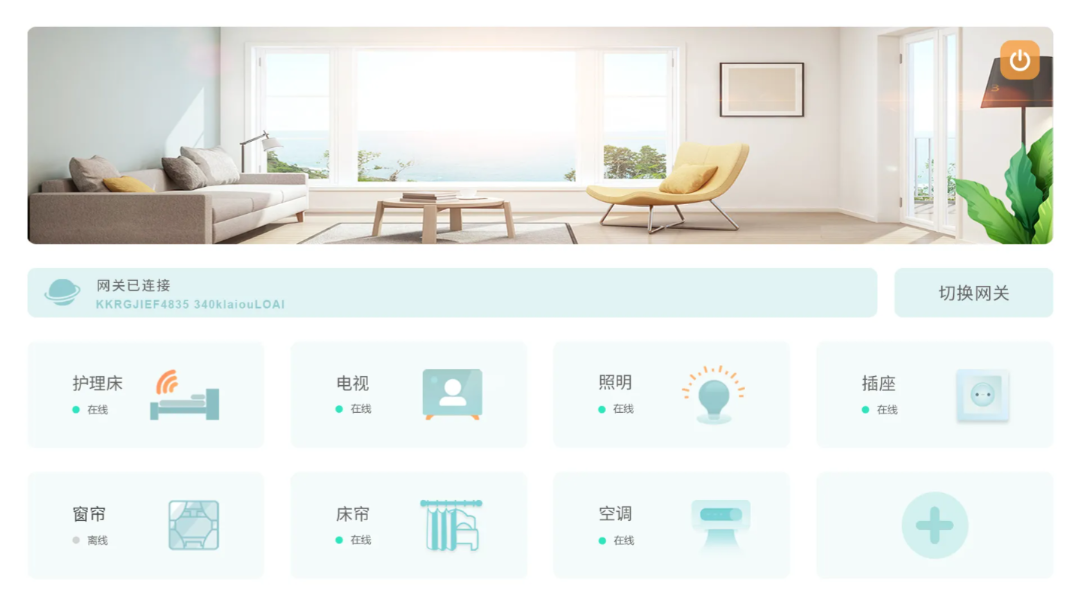
System Interface
For patients, this program frees them from dependence on others, enabling them to independently complete basic care actions such as getting up, turning over, and adjusting lying posture. They can also adjust indoor temperature, switch lights, control the TV according to their own needs, regaining a sense of control over their lives, effectively improving their psychological state, and facilitating coordinated physical and mental recovery. For medical staff and family members, the program significantly reduces the burden of caregiving, shifting the focus from basic equipment operation to more valuable personalized rehabilitation guidance, thereby enhancing the efficiency and quality of rehabilitation care.
Brain-Computer Interface Smart Hospital Bed Makes Rehabilitation More Personal
Renlai Rehabilitation has always adhered to the core philosophy of product development of "warmth, naturalness, harmony," which is deeply embodied in the creation of brain-computer interface smart wards. We perfectly integrate cutting-edge wearable multimodal brain-computer interface technology with the rehabilitation ward scenario, breaking through the interaction barriers brought by physical limitations. This allows patients with severe motor impairments to no longer passively receive care, but to actively take control of their own lives, regaining confidence and dignity in life.
In the future, Renlai Rehabilitation will continue to deeply cultivate the field of rehabilitation medicine, continuously promoting the deep integration and iterative upgrading of brain-computer interface technology and rehabilitation hardware, allowing brain-computer interface smart wards to enter more rehabilitation institutions and families. With the warmth of technology, we aim to illuminate the rehabilitation path of every patient, ensuring that every life has the right to live independently.