A delegation from Wuzhou Municipal Health Bureau visited Renlai Rehabilitation Center for inspection and exchange, jointly exploring the construction of the brain-machine interface neuro-regulation rehabilitation center.
Date:2026-05-11 Views:944
On April 30th, Liu Qiao, a member of the Party Leadership Group and Deputy Director of the Wuqian Health Bureau, led a team to visit the Renlai Rehabilitation Marketing Center. They conducted a special investigation and exchange on the construction of the "Brain-Computer Interface Neuroregulation Rehabilitation Center". Zhou Jinxue, the Party Secretary of the Wuqian Medical Consortium General Hospital (City First People's Hospital), and Wu Zhide, the Party Secretary of Wuqian Traditional Chinese Medicine Hospital, also participated in the inspection.
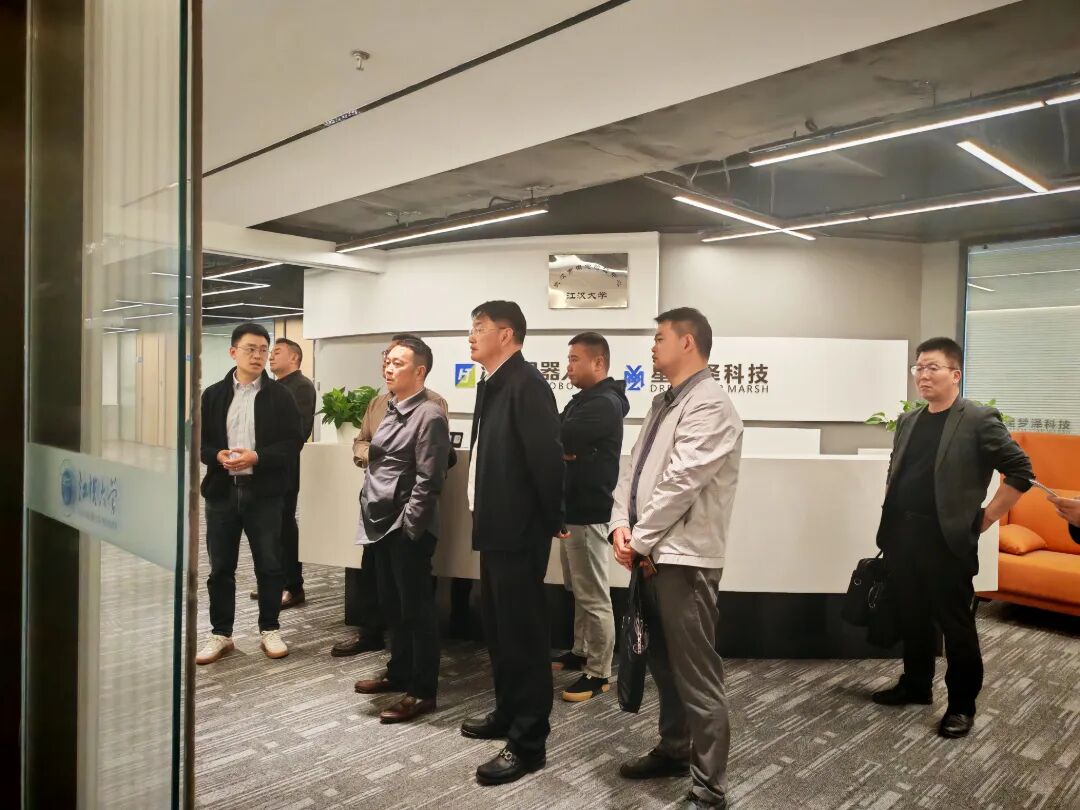
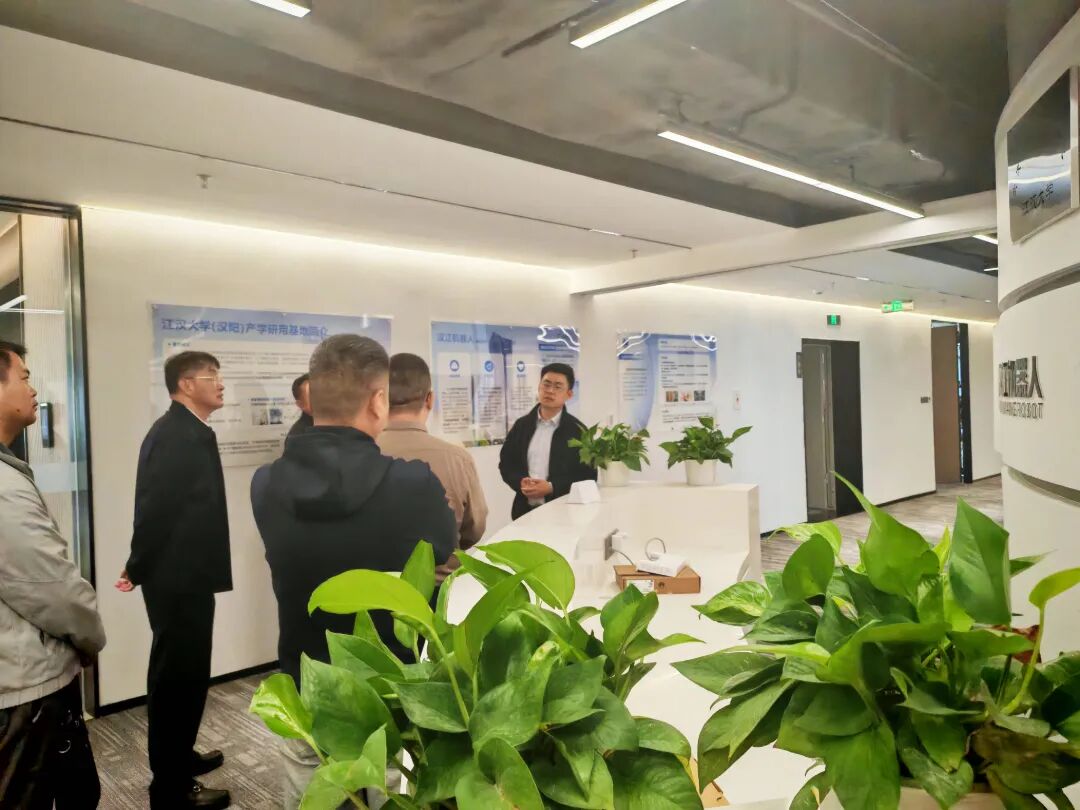
The delegation visited the Rehabilitation Product Incubation Center of Renliang in an important part. They observed on-site the various core products and research projects of Renliang Rehabilitation Center related to the "Brain-Computer Interface Neuroregulation Rehabilitation Center", and comprehensively understood the entire chain of innovation achievements of our company in the field of brain-computer interface rehabilitation, from technological research to product implementation.
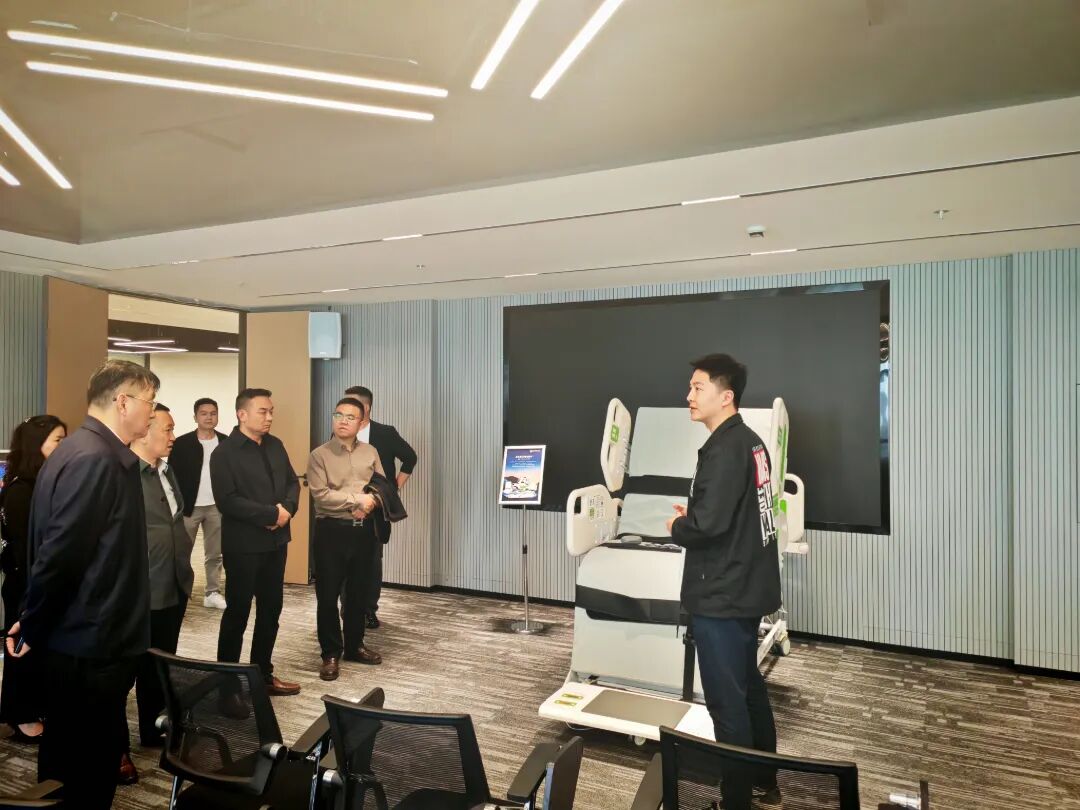
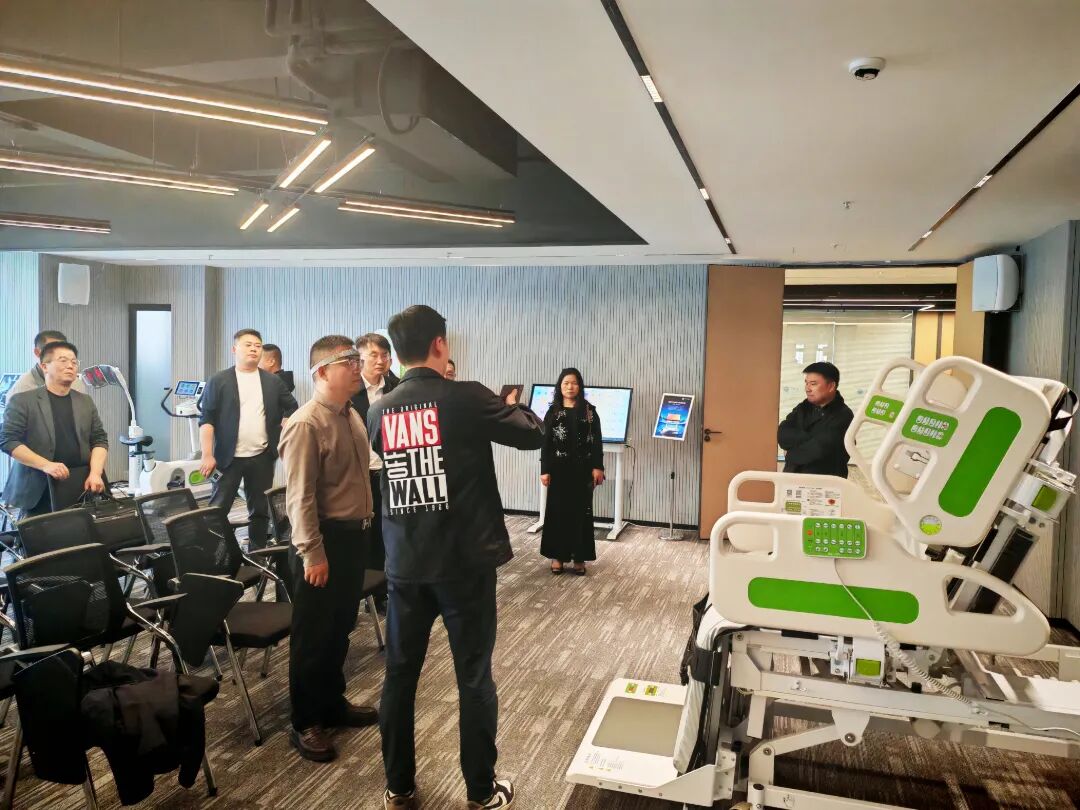
On site, the inspection team personally experienced the brain-computer interface electrically-powered bed. This product fundamentally breaks the operational limitations caused by physical disabilities, allowing patients to regain control of their lives. When patients with severe physical disabilities use the wearable headband to independently control the bed and the indoor equipment through subtle head movements and blinking, they truly achieve "one person controls, full control", thus building an autonomous and integrated intelligent rehabilitation care scenario for the patients.
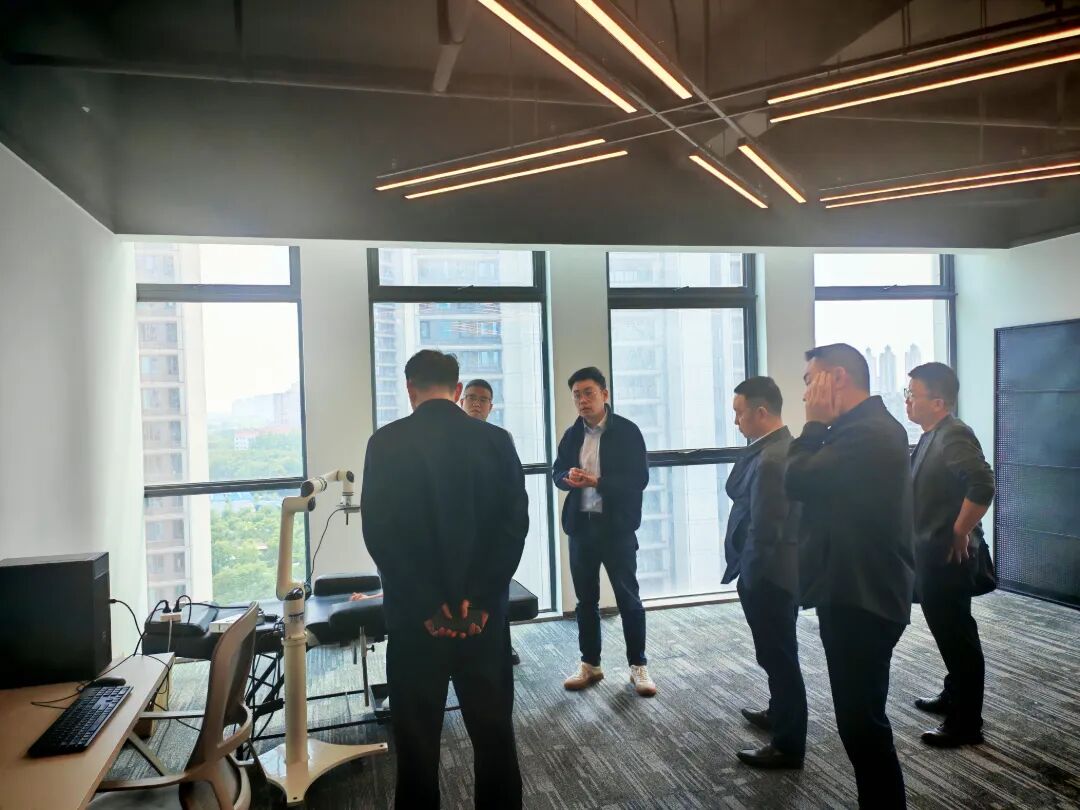
In the new product research exhibition area, the research on the electric acupuncture robot has attracted much attention. This product is based on AI intelligent algorithms and precise positioning technology, empowering traditional Chinese acupuncture, achieving the combination of ancient therapeutic methods and modern technology. In the future, it will help create distinctive health care services for integrated Chinese and Western medicine rehabilitation centers.
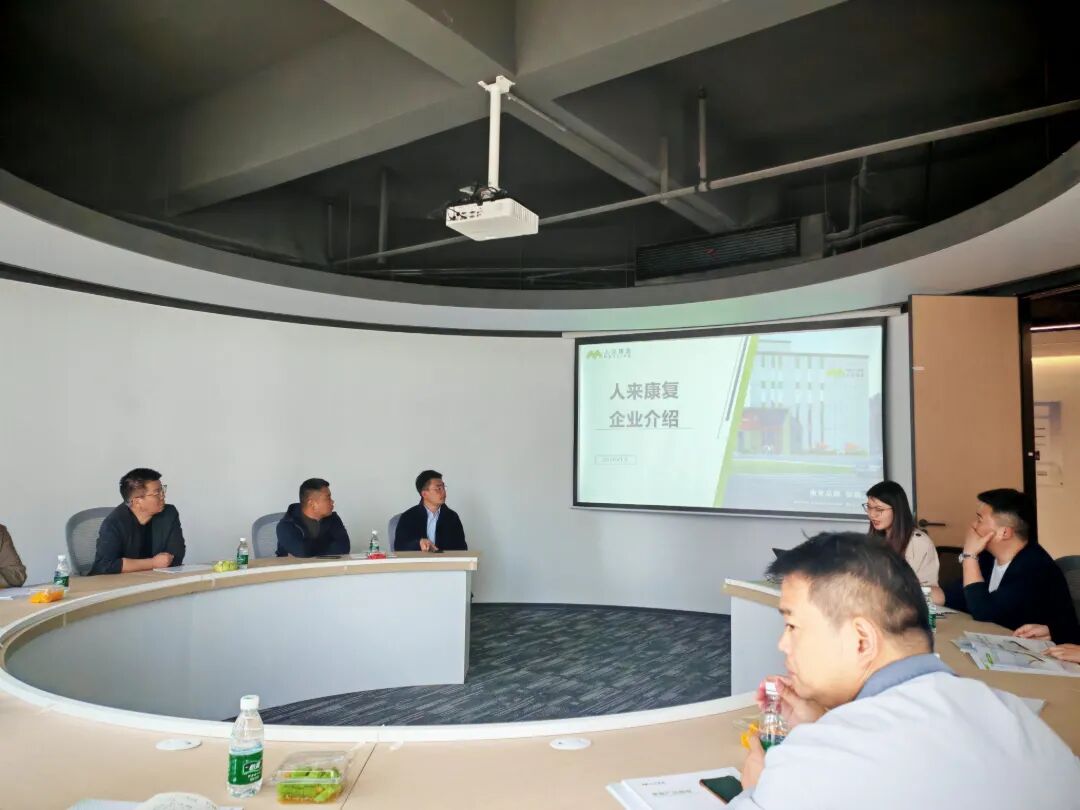
After the on-site investigation, a symposium was held between the two parties. They conducted in-depth discussions on key issues such as the clinical pathway adaptation for building such centers, space and equipment configuration, talent team cultivation, and multi-department collaboration mechanisms. Through this exchange and mutual learning, both parties further reached consensus and expanded new ideas and directions for future in-depth cooperation in the field of rehabilitation.